Getting the Dose Right Matters
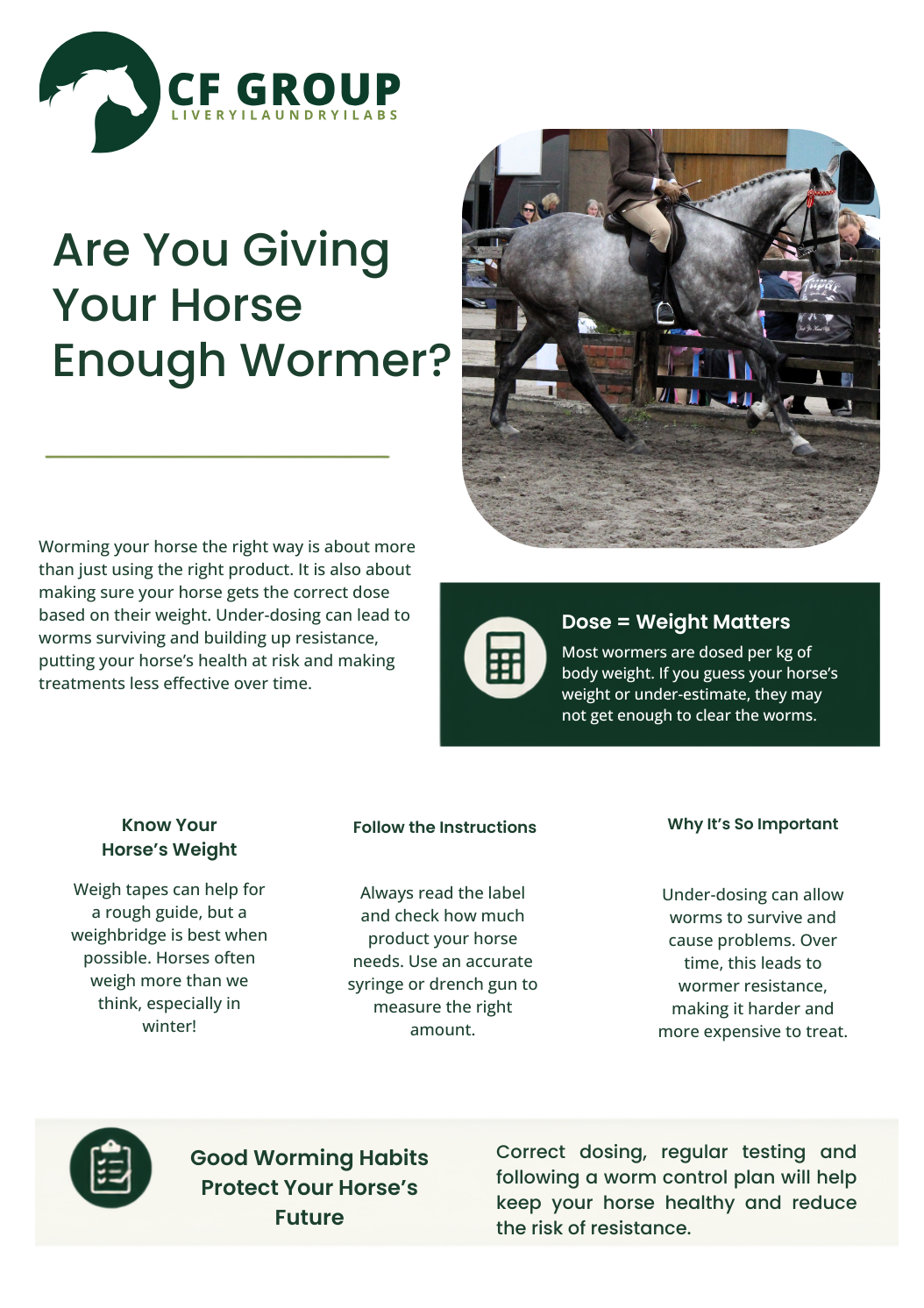
Giving your horse the correct amount of wormer is just as important as choosing the right product. If your horse receives too little, some worms may survive. These surviving parasites can continue to produce eggs and may contribute to the development of wormer resistance, making future treatments less effective.
The good news is that getting the dose right is simple with a little preparation.
Know Your Horse's Weight
Many owners underestimate their horse's weight. Even being 50–100 kg out can mean your horse doesn't receive enough wormer.
The most accurate way to weigh your horse is with a weighbridge. If that isn't available, a weight tape can provide a useful estimate, although it should only be used as a guide.
It's worth checking your horse's weight regularly, especially if they gain or lose condition throughout the year.
Follow the Instructions
Always read the manufacturer's instructions before giving any wormer.
Check:
- The maximum weight covered by each syringe.
- That the syringe is correctly adjusted before use.
- Your horse receives the full dose.
If your horse falls between weight markings, it's generally safer to dose for the higher weight rather than risk under-dosing.
Why Correct Dosing Matters
Under-dosing may:
- Leave worms alive after treatment.
- Allow parasites to continue shedding eggs.
- Increase the risk of wormer resistance developing.
- Reduce the effectiveness of future treatments.
Giving significantly more than recommended is also unnecessary, so aim to be as accurate as possible.
Good Worming Habits Protect Your Horse
Modern parasite control isn't about routine worming. It's about treating when needed and using the correct product at the correct dose.
A good worm control programme should include:
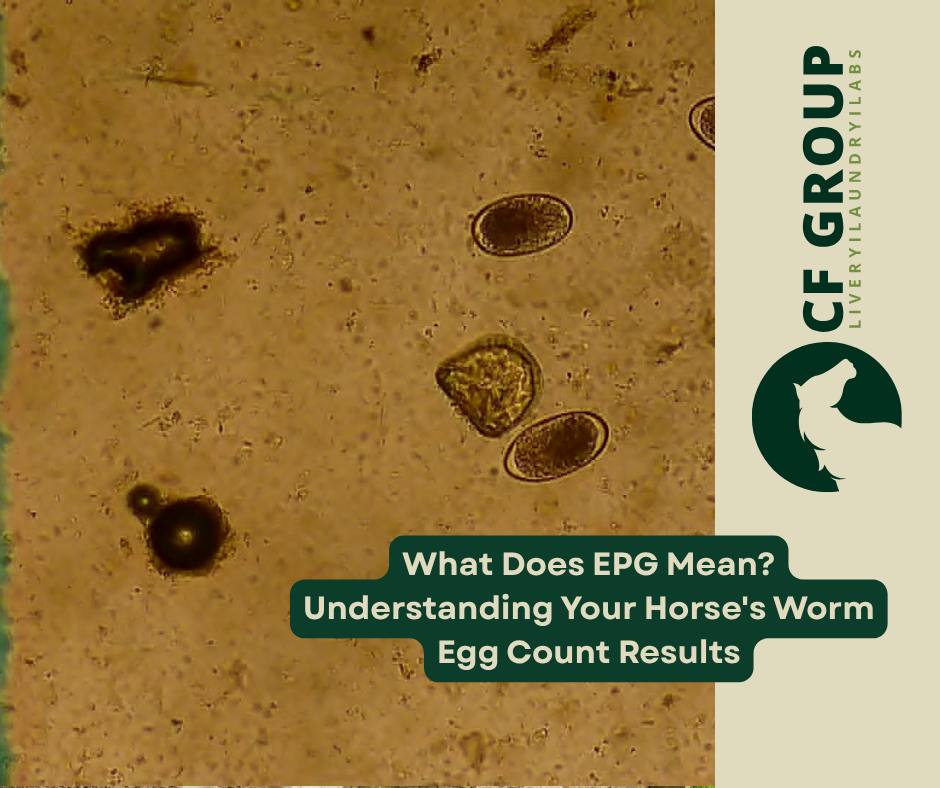
- Regular worm egg counts (WEC).
- Tapeworm saliva testing.
- Encysted redworm risk assessments (ECRT).
- Pinworm testing where appropriate.
- Worming only when testing or veterinary advice indicates treatment is needed.
Using targeted testing alongside accurate dosing helps protect your horse while slowing the development of wormer resistance.